Comics /
Spotlight /
Religion and Comics
Superman, Moses, Copyrights and the Public Commons
By
Hervé St-Louis
August 20, 2009 - 23:19
The Siegel and Shuster estates gaining total control over the character of Superman goes against the principle of the public commons upon which copyrights laws are built upon. In copyrights laws, creators and other copyrights holders are given a license to profit from their creation for a limited amount of time. Following this limited time of exclusive use of their copyrights and the privilege to benefits from them, the ownership of the creations reverts back to public ownership. This is essential for culture to continue to evolve and prosper.
|
New generations borrow from the past and reinvent older creations for new generations and leave their mark on the world so that future generation can continue the process to reinvent culture. When a right is withheld for more than the lifetime of a creator, the generation that lives with that creator cannot officially integrate and transform the creative work without the approbation of the original creator. While many creators might find this acceptable, there is a possibility that something important is lost in the process.
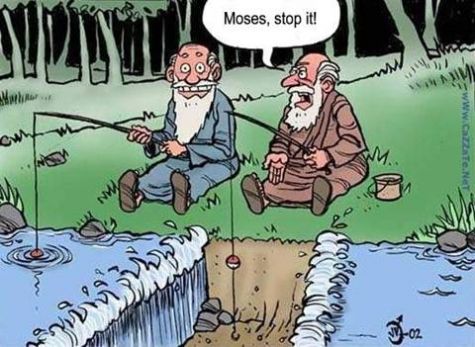
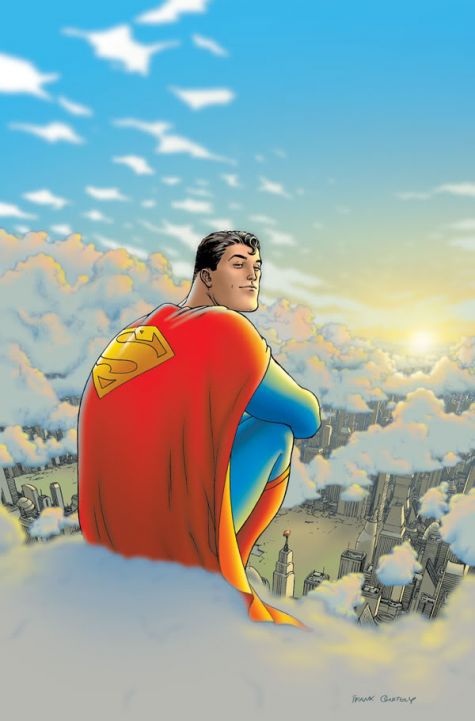
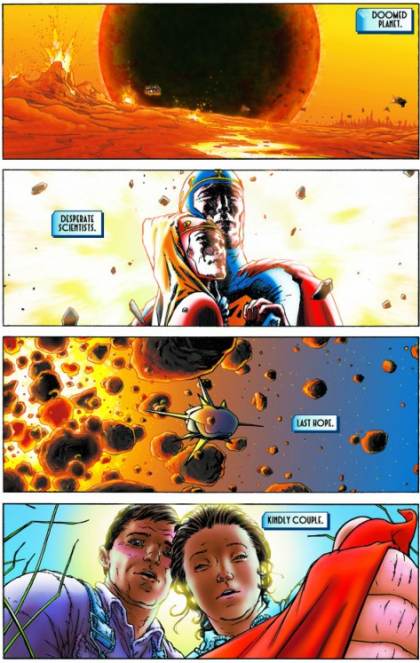
For example, the story of a Hebrew baby put in a basket by his older sister so he could escape the execution of all Jewish babies and how he was rescued by an Egyptian princess and adopted as one of theirs is the basis for the story used by Jewish creators Jerry Siegel and Joe Shuster when they created Superman. Superman, as a baby was put in a rocket that escaped the destruction of planet Krypton. He landed on Earth where he was raised by a rural American family. Just like Moses, Superman is a greater man than his peers is capable of great feats. Whereas Moses’ feats are explained by magic and the power of a deity, Superman’s powers are explained by science.
If the story of Moses was not in the public domain and reusable by any generation of creator, Siegel and Shuster would not have been able to take from Moses and invent the basis for Superman from the
Old Testament story. Efforts to lock modern copyrights such as the one of Superman to any party, be it DC Comics, the comic book publisher that has held the copyrights to Superman since the 1930s or the estates of Siegel and Shuster, that have recently won back the title, are essentially short term endeavour that ignore the greater benefits of public domain ownership of Superman and the risks associated with the continued and prolonged copyrights. Arguing for the ownership of the estates over Superman’s publisher ignores the real detriment to the public commons. Were Moses still owned by the original writer that penned his story there would be a decidedly different Superman today.
In the case of Jesus Christ, there were four contemporary writers that told his story.
The Gospels of Luke, Mark, Mathew and John as well as many other religious documents on the life Christian figure Jesus Christ all tell bits and parts of the man. While some accounts are more detailed than others and sometimes somewhat contradictory or organized in a different order, the cumulative accounts provide a comprehensive view on Jesus Christ. Were modern copyrights applicable such a "collaborative" authorship would not be possible in the case of Superman?
Only from DC Comics, there have been several versions of Superman. Once can note the Golden Age Superman, the Silver Age Superman and the modern Superman, re-imagined after 1985. The ruling from allowing the Siegel estate to own many elements from Superman’s back-story also forbids them to use other elements later introduced by DC Comics. While one could argue that this will lead to more variants of Superman from many sources, such as
The Gospels that tell the life of Jesus Christ, here a ruling limits where once party can create stories about Superman before stepping on the elements owned by the other party. This is hardly an inspiring setting for storytelling. Imagine if only one person or group had the right to exploit and publish the story of Jesus Christ?
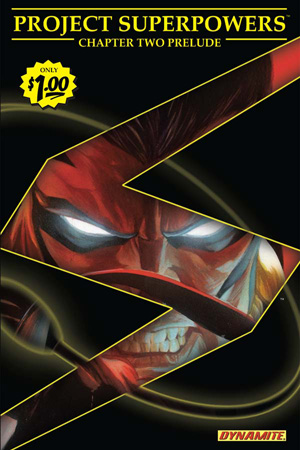
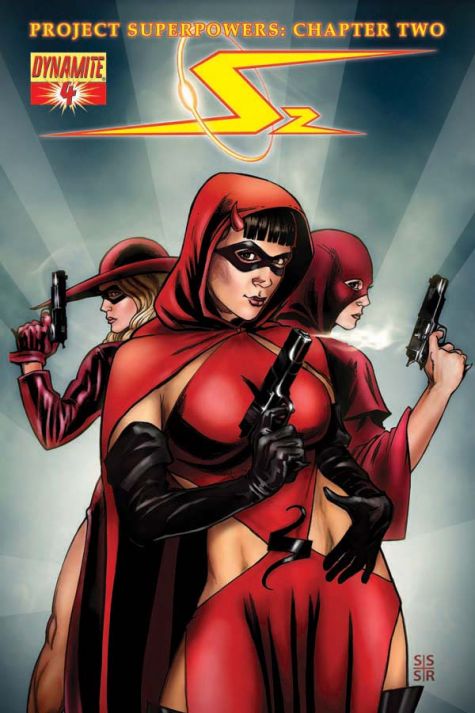
Comic book publisher Dynamite Comics has already begun publishing stories and reinventing characters invented just after Superman that have fallen in the public domain. Unlike Superman, their copyrights had not been renewed by their publishers and their original creators or their estates did not try to claim their ownership. Dynamite Comics’ example shows what would truly happen if Superman was in the public domain. Stories about the characters could be told by any groups of artists to entertain new generations. Accepting that ultimately, the public and the fans own any property like Superman and that creators merely borrow and put back their own contribution in the pot that will benefit all, is the basis of how copyrights laws were envisioned before narrow interests started to treat copyrights as physical properties whose owners were inherently entitled to forever.
|
The position I take regarding the public domain is a sensitive one that is neither pro-publishers like DC Comics and neither in support of creators like Siegel and Shuster. It can be difficult for some people to understand such a narrow position that essentially argues for more openness and the end to recluse and vindictive thinking. Yet, inevitably all copyrighted characters and creations, eventually fall in the public domain. Looking ahead at what the future offers comic book readers is far more interesting than settling industry and petty squabbling of the past that only benefit a small group.
Last Updated: July 2, 2026 - 07:01
 ComicBookBin