Comics / European Comics

The Hidden Face of Belgian Comic Books


By Hervé St-Louis
Jul 27, 2011 - 0:48

NeroKlassiek25.jpg
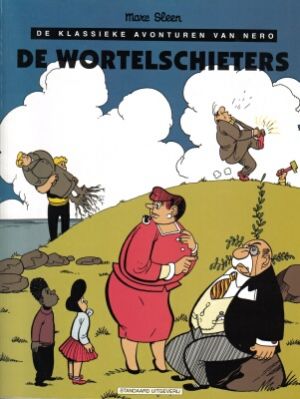
Nero Klassiek
Belgium is known as the world capital of comic books. Many comic books are produced in the ten million strong nation that stands between France and the Netherlands in North Western Europe and across the English Channel and the United Kingdom. The classics as they are known in Belgium, started popping out after the Second World War and quickly split into two artistic schools, Charleroi and the Ligne claire. But while the brunt of the world think of these Belgian comics as a unified whole coming from all the parts of the country, the reality is that most of these comic books originated in the French-speaking parts of the bi-cultural country. I was in Belgium just recently and an important question for me as a comic book pundit, collector and lover was – what about the Dutch-speaking contribution to Belgium’s national art?

As I expected, Flemish creators – from the Dutch-speaking parts of Belgium also have a strong history of creating comic books. However, the Dutch contribution to Belgian comic books is continually overshadowed and perhaps even ignored by French-speaking pundits. To some extent, I could go into the historical and genealogical records of many of the most popular creators of classic Belgian comic books and easily find Flemish lineage in their families and claim that it is impossible to really separate the identities of Belgian comic book creators from the French and Dutch. Unlike Canada, where a similar situation occurs, with strong comic book outputs and strong publishing forces behind both solitudes, Belgium is a highly populous country in a very small space. Major cities are less than two hours from each other. Brussels’ the country’s capital is also officially bilingual and home to thriving communities that exist in both French and Dutch.

So I went around Belgium looking for Flemish comic books, because my sensibilities as a French Canadian could not accept that there were no such things, as claimed the attendant at a Belgian comic book museum I visited in Brussels. He said that in terms of classics, they were French-produced and that the Dutch-speaking cartoonists had very little to do with the creation of a wide comic book literature in Belgium. The attendant, a French-speaker seemed very adamant about this. Tintin, Luky Luke, the Smurfs, Spirou, Blake and Mortimer, they were all from French-speaking Walloon creators, not Fleming cartoonists. But I kept probing him and asking him. He relented and showed me two series, De Klassieke Avonturen Van Nero from cartoonist Marc Sleen and Suske en Wiske from Willy Vandersteen.

I was overjoyed and jumped on the series. While I could easily find in the bookstore area of the museum, countless French-speaking Belgian comic books and much material from France, Japan and the United States, there was little stuff in Dutch. There was a Dutch section alright, but it was mostly translated French-language comic books that would probably prove easier to read in their original French for me, than Dutch.
9789002237270.jpg
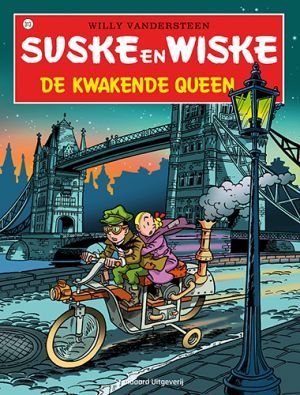
Suske en Wiske
Suske en Wiske is a long running series from Vandersteen. Actually, Vandersteen died in 1990, but spin off series continue to be published. French-language comic book experts might recognize the series better under the name Bob et Bobette. In English the series has been published under the title Spike and Suzy. Although many stories were published in French first, the most complete collection of these comic books are found in Dutch only. The series has an interesting mix of ligne claire simple design but with the dynamism of a Charleroi comic book. One thing that is clear, the style is classical and the storytelling direct. The series follows the fantastic adventures of two tweens that takes them all over time and place. However, Vandersteen also has a historic legacy which historians have researched and which is somewhat controversial for this well-liked figure in Flanders. Vandersteen is alleged to have collaborated with the Nazis during their invasion of Belgium, drawing anti-Semitic cartoons. This is a question that interests me greatly and promise to come back to it when I’ll review the Suske en Wiske story I obtained in Belgium. There is probably a lot of scholarly work published on Vandersteen and I will find out more about the allegations and write about them here.

Van Nero from Sleen is another adventure series with a wide supporting cast including kids as protagonists. Their design is far more cartoony but not like the Charleroi School. It feels more like what would expect from a Fleisher animated cartoon with strong pantomimes and facial exaggerations. Fans of older comic strips like Wash Tubbs will recognize the rounded lines but will miss the large blacks and light and dark experiments. Everything is flat with full blacks without any shadows or attempts to create different planes through a light and dark composition. Marc Sleen is fortunately alive, and probably has the world record for working the longest on one single comic strip.

I asked about the other Flemish masters, but the attendant at the museum said that that was it. There are others I know. I visited and old book store in Antwerp, and the place was filled with old comic books in Dutch that I had never heard before. According to the attendant, modern Belgian comic books are just Belgian, without any of the linguistic duality. I found that difficult to believe, as Flemish cartoonists, if they are like French Canadians will always publish their work in Dutch first even while the larger market is the French-speaking one.

Belgium appears to many people to be a Francophone country. It is more than that. While the Walloons have an easier access to a larger market through France than the Dutch-speaking Flemish do, the notoriety of Belgian comic books through the French-speaking community has probably much more to do with a larger market outside of Belgium and more emphasis and marketing on comics than the Flemish cartoonists. Two specific schools and publishing rivalries created Le Journal de Tintin and Le Journal de Spirou in French-speaking Belgium, creating an instant demand for more comic strips and comic books to fill the appetites of a nascent fan-base. In all likelihood, these conditions and competitive environment just were not found in Dutch-speaking Belgium. Works by Sleen and Vandersteen are still considered classics in all of Belgium. Belgium hides a lot of beauty and a rich culture for the comic book historian, and I hope to be able to research that country’s comic book history deeper and relate my findings for The Comic Book Bin in future articles.


Last Updated: May 16, 2012 - 6:56
Join the discussion:

Add a Comment

Comment Script Join the discussion:

Add a Comment

Comments

J'écrirai en français, puisque vous vous présentez en tant que Candadien francophone.
Pour comprendre la situation, il faut savoir que la BD en Flandre néerlandophone a longtemps été distribuée comme un supplément gratuit aux journaux. Donc vite réalisé, publié sur du papier de moindre qualité et dans des éditions souples, et rapidement mis à la poubelle. Cela explique une production de type "feuilleton", réalisé par de véritables ateliers (Vandersteen, père de Bob et Bobette, avait une véritable usine). Le lecteur flamand continue à avoir cette vision, et à lire par exemple les aventures en BD de la joueuse de tennis Kim Clijsters...
Côté francophone, le côté "artistique" est apparu plus vite. Les BD, dans des éditions cartonnées plus luxueuses, étaient collectionnées, conservées, etc, même si l'on en était pas encore à considérer ces BD comme de l'art (rien à voir avec les prix fous des originaux d'Hergé aujourd'hui). Mais tout de même, cela a marqué une différence culturelle qui persiste donc encore aujourd'hui (les BD en Flandre reste publié sur du papier souple, en Wallonie des éditions cartonnées). Il y avait pourtant des connexions (Vandersteen a travaillé avec Hergé à ses débuts --voir Le Fantôme Espagnol, le meilleur Bob et Bobette à mon avis), et Tintin était traduit en néerlandais sous le nom de Kuifje.
La situation actuelle est que les plus gros succes internationaux sont ceux de l'école francophone (franco-belge), reprise en grande partie par des éditeurs français (XIII, Blake et Mortimer,...). En Flandre, les BD "cheap" continuent à avoir un grand succès. Mais on a aussi une école flamande "alternative", avec de vrais auteurs, parfois inspirés des comic books anglo saxon, mais qui a du mal à s'"exporter" au sud du pays ou à l'international.
Voilà, j'espère avoir répondu à quelques questions soulevées dans l'article.

PS: il est vrai qu'il est difficile de trouver des BD en néerlandais dans la plupart des librairies à Bruxelles, car la population bruxelloise est à 90% francophone. Il existe toutefois des librairie flamande à Bruxelles où le choix est plus vaste.
#1 - Phil - 07/27/2011 - 04:06
Phil's messages without the accents bugs!
J'ecrirai en francais, puisque vous vous presentez en tant que Candadien francophone.
Pour comprendre la situation, il faut savoir que la BD en Flandre neerlandophone a longtemps ete distribuee comme un supplement gratuit aux journaux. Donc vite realise, publie sur du papier de moindre qualite et dans des editions souples, et rapidement mis a la poubelle. Cela explique une production de type "feuilleton", realise par de veritables ateliers (Vandersteen, pere de Bob et Bobette, avait une veritable usine). Le lecteur flamand continue a avoir cette vision, et a lire par exemple les aventures en BD de la joueuse de tennis Kim Clijsters...
Cote francophone, le cote "artistique" est apparu plus vite. Les BD, dans des editions cartonnees plus luxueuses, etaient collectionnees, conservees, etc, meme si l'on en etait pas encore a considerer ces BD comme de l'art (rien a voir avec les prix fous des originaux d'Herge aujourd'hui). Mais tout de meme, cela a marque une difference culturelle qui persiste donc encore aujourd'hui (les BD en Flandre reste publie sur du papier souple, en Wallonie des editions cartonnees). Il y avait pourtant des connexions (Vandersteen a travaille avec Herge a ses debuts --voir Le Fantome Espagnol, le meilleur Bob et Bobette a mon avis), et Tintin etait traduit en neerlandais sous le nom de Kuifje.
La situation actuelle est que les plus gros succes internationaux sont ceux de l'ecole francophone (franco-belge), reprise en grande partie par des editeurs francais (XIII, Blake et Mortimer,...). En Flandre, les BD "cheap" continuent a avoir un grand succes. Mais on a aussi une ecole flamande "alternative", avec de vrais auteurs, parfois inspires des comic books anglo saxon, mais qui a du mal a s'"exporter" au sud du pays ou a l'international.
Voila, j'espere avoir repondu a quelques questions soulevees dans l'article.

PS: il est vrai qu'il est difficile de trouver des BD en neerlandais dans la plupart des librairies a Bruxelles, car la population bruxelloise est a 90% francophone. Il existe toutefois des librairie flamande a Bruxelles ou le choix est plus vaste.
#2 - Herve St-Louis - 07/27/2011 - 07:39
Phil's message for English speakers through a quick Google Translate
I write in french, since you present as Candadien francophone.
To understand the situation, be aware that the Dutch-speaking Flanders in BD has long been distributed as a free supplement to newspapers. So soon realized, published on paper of lesser quality and in editions flexible and quickly put it away. This explains the production of type "serial", realized by actual workshops (Vandersteen, father of Bob and Bobette, was a veritable factory). The player continues to have the Flemish vision, and reading such comics adventures of tennis player Kim Clijsters ...
French side, the side "artistic" appeared faster. BD, in Hardback most luxurious, were collected, stored, etc., even if one was not yet considered these comics as art (nothing to do with the crazy prices of the originals of Herge today ' hui). But still, this marks a cultural difference that persists even today so (comics in Flanders is published on paper flexible, Wallonia Hardback). There was, however connections (Vandersteen worked with Herge in its early stages - see the ghost Spanish, the best Bob and Bobette in my opinion), and Tintin was translated into Dutch as the Kuifje.
The current situation is that the biggest international successes are those of the French School (French-Belgian), taken mostly by publishers french (XIII, Blake and Mortimer ,...). In Flanders, BD "cheap" continue to have a great success. But it was also a Flemish school "alternative", with real writers, sometimes inspired by comic books Anglo Saxon, but has a hard time if "export" to the south of the country or abroad.
Voila, I hope that answers some questions raised in the article.

PS: It is true that it is hard to find comics in Dutch in most bookstores in Brussels, as the population of Brussels is 90% francophone. However, there are library Flemish or Brussels have more choice.
#3 - Herve St-Louis - 07/27/2011 - 07:41
And now my response!
Hi Phil and sorry for the accents bug on our comments app. It doesn't like "special" characters. I didn't know about the album versus floppy publishing situation in Walloon and Flanders. Your comment added a lot of perspective on the situation that explain why I had so much trouble finding original Flemish comic books. This is something I definitely want to keep investigating.

Thank you very much for helping me and the Bin's readers understand this better.

cheers
#4 - Herve St-Louis - 07/27/2011 - 07:44

    RSS       Mobile       Comic Book Conventions Calendar       Sending Press Releases         Sending Review Material        Job       Advertising       Terms of Service    ComicBookBin


© Copyright 2002-2012, Toon Doctor Inc. - All rights Reserved. All other texts, images, characters and trademarks are copyright their respective owners. Use of material in this document(including reproduction, modification, distribution, electronic transmission or republication) without prior written permission is strictly prohibited. Privacy Policy