ComicBookBin
- Comics
- Comics Reviews
- Manga
- Comics Reviews
- European Comics
- News
- Comics News
- Press Releases
- Columns
- Spotlight
- Digital Comics
- Webcomics
- Cult Favorite
- Back Issues
- Webcomics
- Movies
- Toys
- Store
- More
- About
By Hervé St.Louis
July 4, 2006 - 12:07
When I think of Indian entertainment, I have vague visions of bad movies with bad actors and annoying music. However, from now one, when I think of Indian comic books, I’ll have something much better to think about, thanks to Virgin Comics. Virgin Comics is the child of Richard Branson, the British guy who turns everything he touches into money. It’s not clear who approached whom, but there is a large market of untapped potential in India and someone finally did something with it.
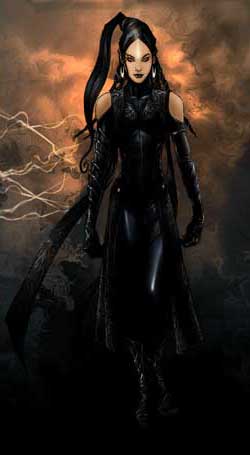
The last Indian comic book I remember is the Indian Spider-man published by a licensor of Marvel Comics in India. I saw the pics, they looked ridiculous, although the artwork was great. Well, I also looked at the free preview from Virgin Comics and was totally impressed. I did not expect that level of quality. The sample included two short stories from Virgin’s equivalent of its super hero imprint called Shakti.
These stories draw from India’s rich religious and classic tales and modernize them. The first story was about Devi, a human girl given godlike powers which she uses to combat an evil god called Bala and his supporters. It’s set in modern day India. The artwork was impeccable and the colouring sumptuous. It must have taken the artists a lot of time to produce this comic book.
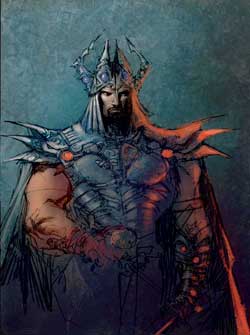
The second story is Ramayan Reborn, a retelling of a classic story. From the look of it, it reminded me of Lord of the Rings with Indian costumes. The artwork and story were also impressive and very similar to American comic books. My beef with these two comics is that they use Indian lore and names for their characters. Of course they will, they are Indian, but I’m not sure if fans are ready to read about people with funny sounding names. The Japanese do it too, but often, we translate most names. Akira is also easier to pronounce than Aryavarta.
My second beef is that I don’t know who those comic books are for. They use the name Virgin to give themselves some credibility, although Virgin is not synonymous with comics in my mind. They say that other creators and artists have been assembled to create new stories. One of them is John Woo’s Seven Brothers by Garth Ennis. They did not mention the artist though . . .
Virgin’s strategy seems to introduce these comics in the market hoping some stick. They also use material from movie scripts to transform them into comics. As I’ve written before, that’s not a good thing to do. Reusing stuff for comics to create a market for a later film version is not respecting fans or the comic book medium. Comic books are not a testing grounds for Hollywood or Bollywood. That’s why, no matter how slick Virgin’s comics are, I’m weary about their long term support. Will they stick around if the numbers don’t?