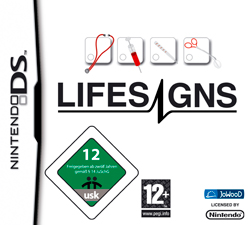
PAL version – also known as Lifesigns: Surgical Unit in North America
LifeSigns: Hospital Affairs is a point and click adventure
game with a focus on performing surgeries and other hospital related tasks. You
play as Dokuta Tendo, a second year intern, as you establish your grounds as a
surgical doctor. The overall story and presentation of the game is nice and can
lead to some well thought out stories. However, the weird pacing presents some
high difficulty sections and overall awkward game play.
The visual presentation of LifeSigns is quite
nice. Everything is hand drawn to showcase a manga-like feel to game. Along
with this, the game includes an easy to use interface and basic
map layout. Along with a fun look to the characters, the game becomes quite
inviting and fun to watch, as you read your way through the adventure and medical
stories.
The majority of the game play involves you
going through conversations with your fellow colleagues and patients. This ends
up becoming a double edged sword as around 70% of the game is reading. You
really have to enjoy story driven games in order to get enjoyment from
LifeSigns. The most unfortunate part of this is that the game can become quite boring, as you
have to spend hours at a time reading dialogue and then selecting the next
place to go to read more dialogue. However, for the majority of the time,
the conversations themselves are either interesting, intense, or quite funny. The
game also goes out of the way to put in conversations that relate to
nothing and are only there to give the player a laugh.
The sound and music in LifeSigns isn’t
anything exceptional, but they do the job. During the intense conversations or
surgeries you’re faced with high speed music while the depressing and low-key
moments are presented with soft melodies. Though, during any conversation, you
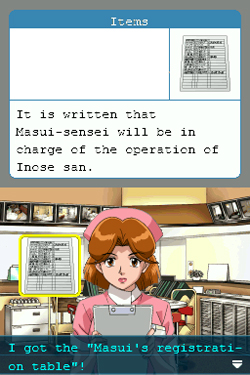
will have to present the person with the correct documents or objects in order
to continue through, and when you present something correctly, you hear a “ding”
sound. I quite liked this because it told me when I was proceeding correctly in the story, because when I didn’t, I got a muffled buzzing noise. This was great
in order to verify that I was on track and doing things properly.
The rest of the game is centered
around examining and performing operations on your sick and injured patients. During
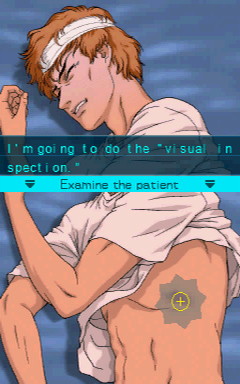
the examination you are to use either the Listen, Feel or Visual Inspection
commands to find out what is wrong with the person. This sounds good on paper
but ends up becoming quite the hassle and can take far longer than it should.
The problem with these sections is that you have no hints on where to look on the
patient. There will be times when they have a physical bruise and you may know that you need to visually inspect that region, but when it comes to internal issues,
you’re
stuck with the guessing game. These sections can end up with you just randomly
tapping your patient’s body until you finally find the right spot. There should
have been much more guidelines to this.
During the surgical operation parts you
must perform a specific surgery in a set amount of time. Not only are you
working against the clock during these sections, but you have to make sure to perform all
your tasks well enough to not kill the patient. To ensure you are aware of your
patients status, you are shown a meter and are notified of their heart
rate. If it hits zero, or if you run out of time, you will fail.
Throughout these surgical sections, you
will need to perform a sequence of tasks in order to save your patients’ lives.
These can range from simple stitching all the way to removing a blood clot in
the brain. The majority of these operations can come off as a bit stressful but
considering each task usually only requires a slow swipe of your stylus across
the screen, it evens itself out. With this, each procedure becomes quite fun
and you’ll notice yourself just rushing through that countdown. What started
out as a 30 minute operation will end up as quite short when you finally realize that you're
done. These surgical procedures are the best part of LifeSigns, as they can be
incredibly stressful but very fun.
What sets LifeSigns back the most though is
the pacing between each of these operations. The introduction alone will have
you reading through almost 2 hours of dialogue before you finally reach your
next surgery. And though the conversations are fun and informative, they really
start to become overwhelming when you have to truck your way through several
hours of them.
The worst part of this is that the
surgeries can be quite hard and stressful. Some of the tools you use during the
operations require specific actions and, after a while of text, you end up
forgetting how to perform that part of the procedure. There were times when I almost lost because, instead
of using my tools correctly, I had to guess and check my way through the
procedure. It would have been much better if the operations came more
frequently, or I was I told more often how to go about them.
The aspect that sets LifeSigns apart from
other hospital based adventure games is the inclusion of persuasion mini game
sections. In these mini games, you will have to try and convince another character to do
something/tell you about something by showing them pieces of information or
objects you are holding on to. This is probably one of the more engaging parts of the game, since it involves you having to think which documents and articles
you should show this person to try and get them on your side. If you show them
the correct objects, you will be awarded bonuses. These can range from
more dialogue sections to bonus time during surgical parts. Getting these wrong
however can leave you in a disadvantageous position.
Overall LifeSigns: Hospital Affairs comes up a bit short in
entertainment value. It presents itself nicely and is set up well enough to warrant a
play through. However, it is still hard to recommend it, considering all the
other hospital based point and click adventure games out there. The awkward
pacing caused me to feel either incredibly bored or overwhelmed when it came to
the surgeries. If you really enjoy text heavy games, you will definitely find
some enjoyment here. It has great story telling and makes sure to explore each
of the presented characters. LifeSigns ends up feeling a bit weighed
down with all the extra elements, instead of sticking to what it should have had most – surgeries and medical operations.
 ComicBookBin